
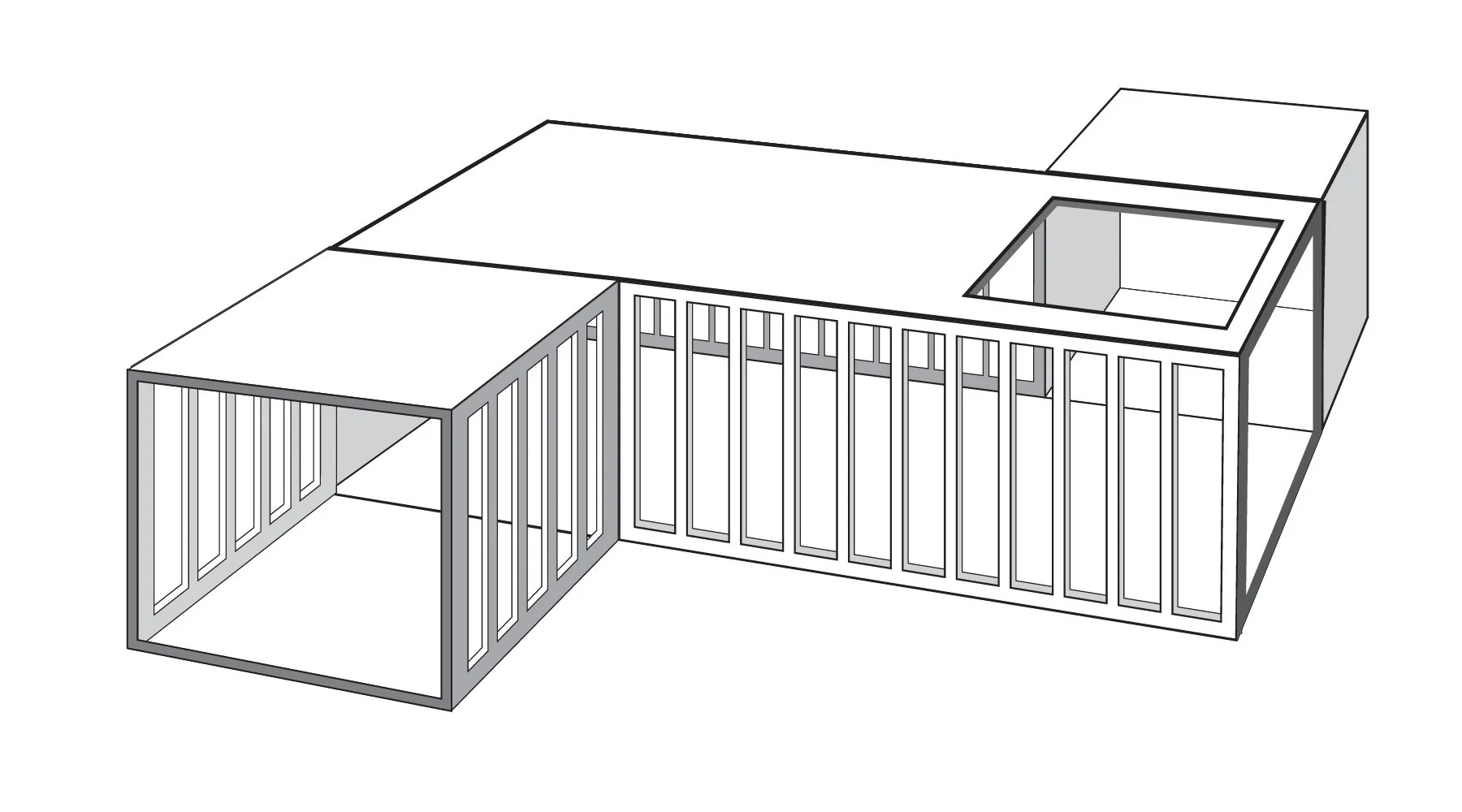
Pikler® pedagogy is a unique early childhood educational approach developed by the pediatrician Emmi Pikler and her followers based on free movement and independent playing as well as respectful care, focusing on and adjusting to the child’s individual needs. The Pikler® Approach has been continuously developing, having been applied in Hungary as well as internationally for over 70 years.
Emmi Pikler’s pedagogical system offers specific furniture and gross motor equipment to young children. It requires special knowledge to install and use them. For the young children to be able to use the equipment freely, they need supervision that provides a safe setting for their motor experiments with knowledge of their abilities in mind. The Pikler® child furniture offer optimal opportunities for autonomy and cooperation in the care situations.
Emmi Pikler recommended approximately a 1.5 by 1.5-metre (later 2 by 2-metre) space for children whose movement only slightly changes their place. Where several infants and toddlers are using the same playing area, she recommended at least one square metre of space for each child.
She also recommended the use of stable separating bars (fences) to make larger spaces more transparent, which may also make the room more predictable and safer for the children. For example, separating the feeding area in a day-care centre facilitates that the children who have already been fed and those who have not eaten yet will not disturb the ones who are eating. A separate area in the room, divided by bars, for infants who are only lying, creeping, or crawling, is safer for children who can already walk or run.
In a space arranged according to Pikler’s pedagogical principles, the floor of the playing area is hard so the children can support themselves and move more easily. They do not sink into the floor and they receive clear feedback about their own movement. The pieces of gross motor equipment that are appropriate to the children’s stage of development are constantly available. In order to avoid hazardous situations, due care must be taken to ensure that there are no objects with sharp or pointy edges nearby. For the children to be able to use the playing and moving space independently and according to their needs, attentive care must be taken to ensure safety.
Attention must also be paid to ensuring that the children’s clothing does not hinder their movement. Sleeves or trousers must not be too long or too loose, thereby ensuring that the children can use their hands and feet properly. To make sure that they will not get entangled with something, children’s clothing should not have ribbons, strings or straps hanging loose. Children with bare feet will be able to make the most efficient use of the gross motor equipment as that way they can directly sense the surface on which they are moving.
Information on the Gross Motor Equipment and Children’s Furniture
Used in the Pikler® Pedagogy
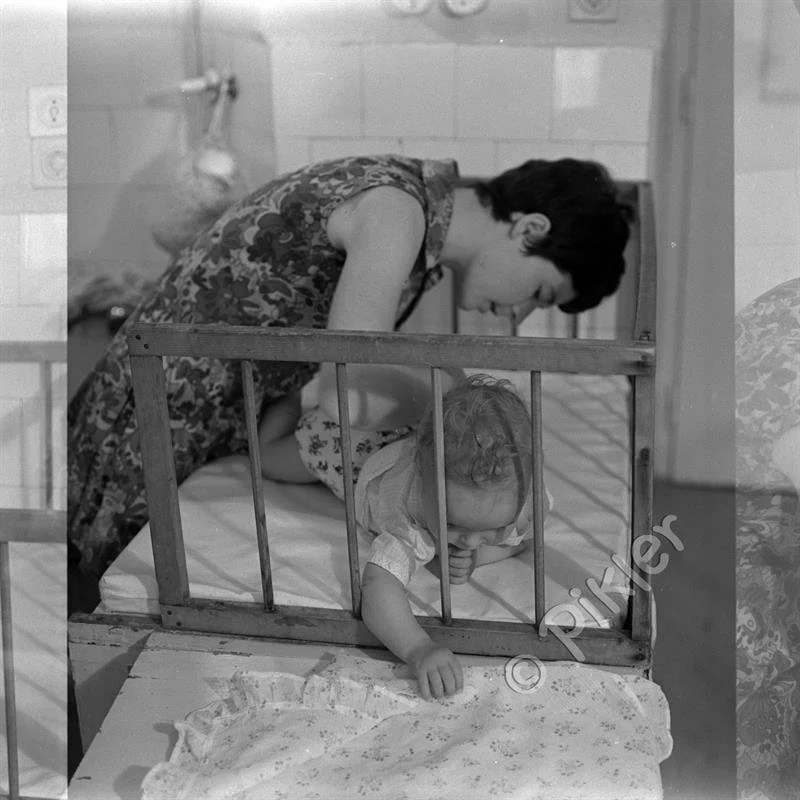
Pikler® changing table
A table surrounded on three sides with a frame, with a wipeable mattress
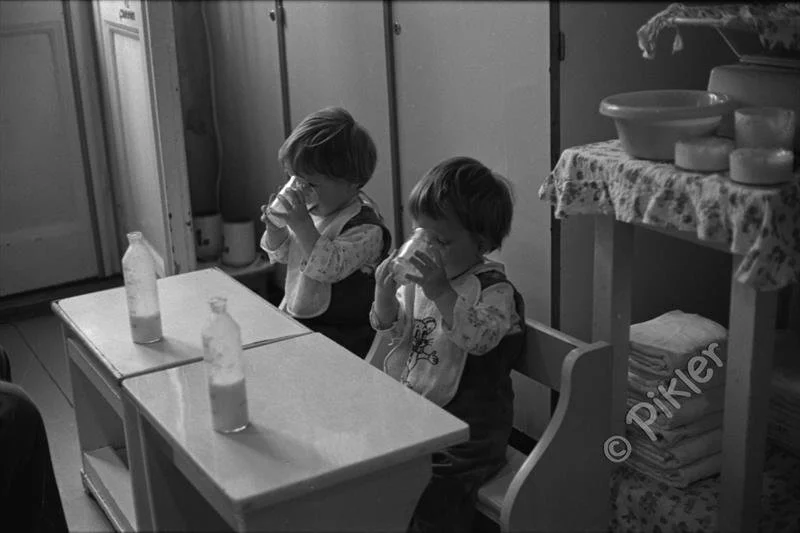
PIKLER® Eating Bench
This is a single seat attached to a table, created for children learning to eat independently
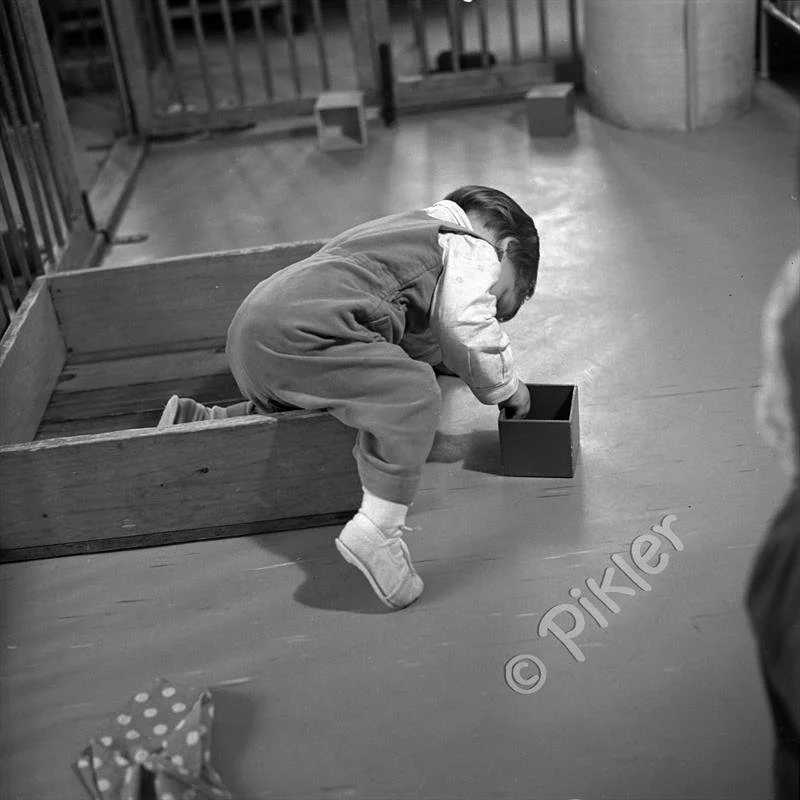
PIKLER®Crawling box/platform
A series of three pieces of different sizes that are to be used independently. They can be used turned up or down, i.e. as a box or a platform.
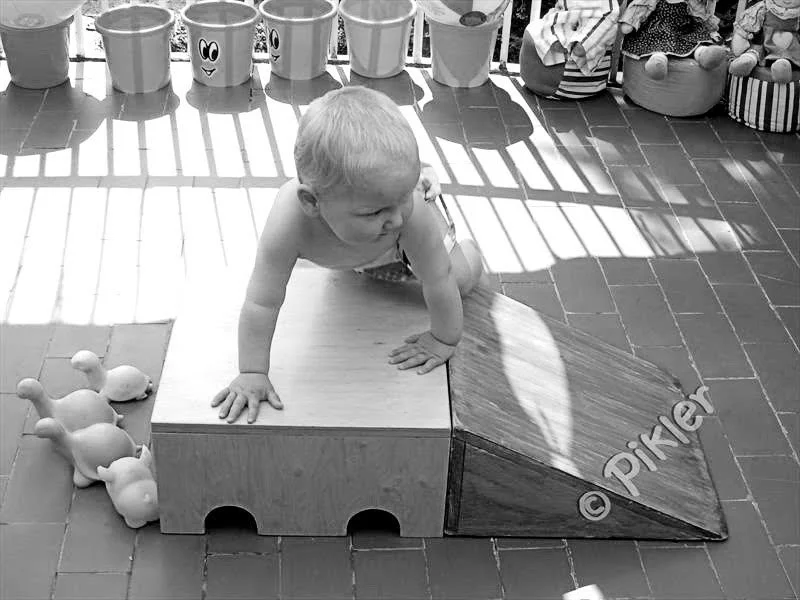
Gabi platform
An equipment consisting of two smaller platforms of different sizes, and slopes of various surfaces, which can be combined in various ways

PIKLER®Labyrinth
Gross motor equipment originally designed for creeping and crawling children, but older children also enjoy using it
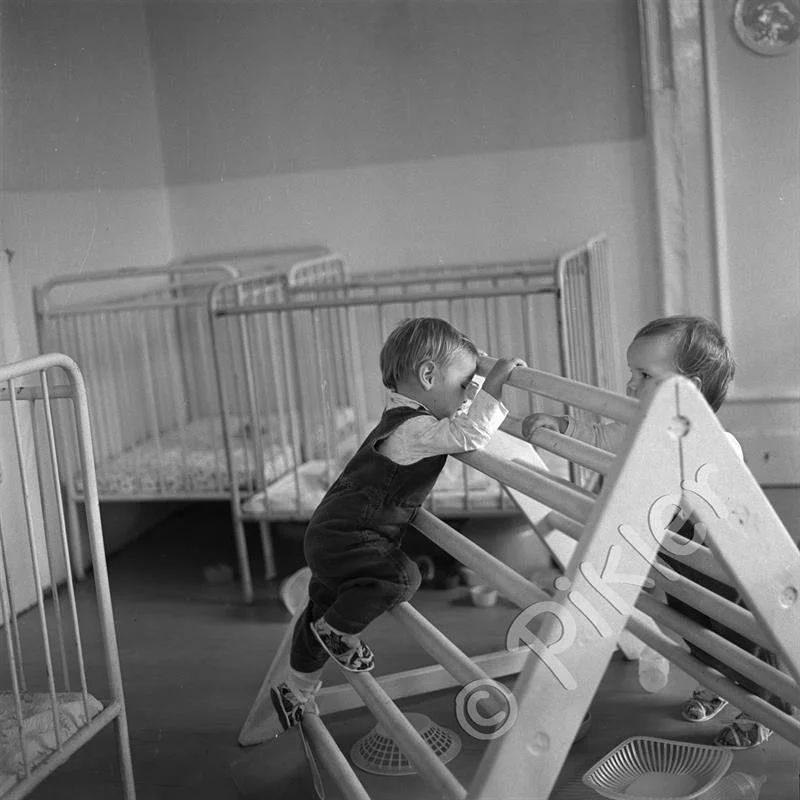
PIKLER® triangular ladder
A climbing structure designed specifically to fit the physical dimensions of toddlers
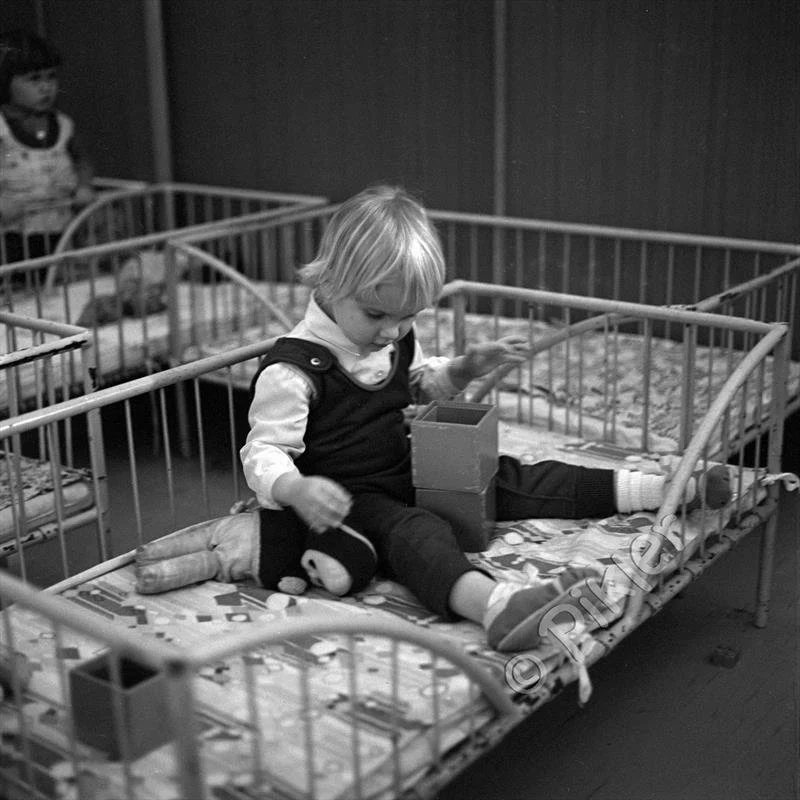
PIKLER® toddler crib
A crib surrounded by low bars on three sides with a partial opening on the fourth side in a rounded form